

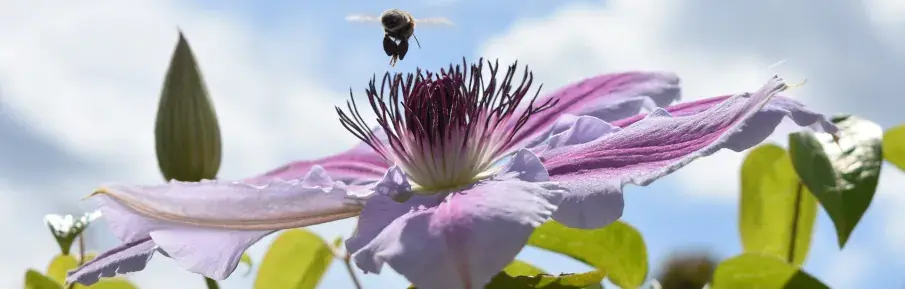
How to Build a Pollinator Garden
A practical guide to creating a beautiful, low-maintenance garden that supports bees, butterflies, hummingbirds, and other beneficial pollinators.
Pollinator gardens add beauty while supporting bees, butterflies, hummingbirds, and other beneficial insects. Even a small sunny bed or a few containers can provide nectar, shelter, water, and nesting space when planted with intention.
Why Pollinator Gardens Matter
Pollinators need more than flowers alone. The most effective gardens offer season-long blooms, host plants for caterpillars, safe nesting areas, shallow water, and minimal pesticide use.
1. Choose the Right Spot
Choose a sunny spot with good drainage and enough room for plants to grow in groups. A location near a patio, path, or window makes the garden easier to enjoy and maintain.
2. Pick Plants That Feed Pollinators All Season
Plan for bloom succession by combining spring, summer, and fall flowers. Native plants are the best foundation because they support local insects and adapt well to regional conditions. In Oregon, strong choices may include Oregon grape, camas, yarrow, penstemon, and milkweed, depending on the site.
-
Plant in clumps so pollinators can forage easily.
-
Include both nectar plants and host plants.
-
Favor single flowers over heavily doubled blooms.
3. Design the Garden for Beauty and Function
Arrange plants in layers, with taller varieties in back and shorter ones near the front. Repeating a few plant types throughout the bed helps the garden look cohesive while still providing concentrated food sources.
4. Add Habitat Beyond Flowers
Support pollinators beyond flowers by leaving some bare soil, dry stems, or leaf litter for nesting and overwintering. A shallow dish of water with pebbles also helps make the garden more welcoming.
5. Maintain It Gently
Water regularly while plants establish, then shift to lighter maintenance. Use compost, mulch lightly, and avoid broad-spectrum pesticides whenever possible.
Start Small and Let It Grow
Start small, choose reliable plants, and build from there. Over time, even a modest space can become a valuable refuge for pollinators and a more vibrant part of your landscape.